



I had a good year.
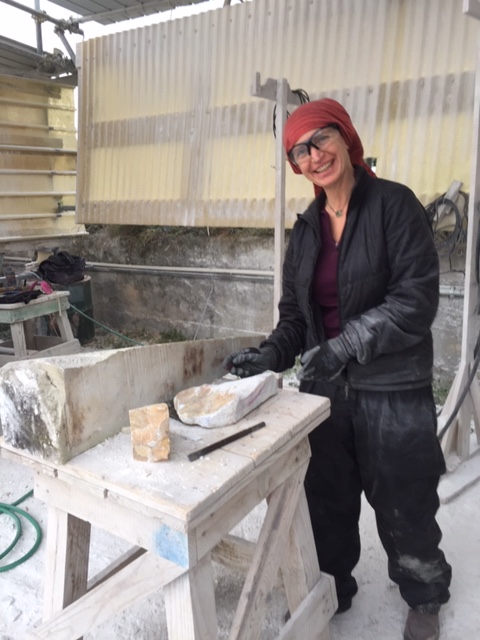
This past year I was awarded my first large-scale public sculpture commission and after the application, selection, and design, all I had to do was simply sculpt the stone into the sculpture I had designed. I’m not much of a writer so this story is mostly photos. Some of you have been following along and visiting the studio so I’ve concentrated more on the installation photos. It feels great to have it completed. Yes, “Interconnected” was installed successfully in mid-October!
I’m kind of an “eat dessert first” kind of person so you don’t have to wait until the end of this post to see what it looks like all installed. Scroll down for more photos of the process.
This sculpture is now in its permanent home in Wilsonville, Oregon. It is located at the North Valley Complex building owned by the State of Oregon. This large building houses many State of Oregon departments including various laboratory-based departments for the Office of Agriculture like the departments on Plant Health, Animal Health, as well as the Oregon Entomology labs. I tried to design a sculpture that related to where the sculpture is located, and also to the type of work that is done there.
Here’s a short statement that will be placed near the sculpture: “Interconnected expresses the harmony and shared existence that bind us to our environment. It’s a meditation on place and purpose, weaving the flow of the Willamette River with the cycles of nature and growth. The parade of insects along the sculpture’s base subtly emphasize the smaller yet essential elements that sustain our world. The sculpture is about belonging – not just to a place but within a web of life, acknowledging the many perspectives around us.”

Photo above by Mario Galucci (https://www.mariogallucciphoto.com/)
This is how the “sculpture” looked back in January when it was a little unassuming 11.9 ton black granite boulder.

I’ve compressed time from the start of sculpting the “big rock” in March to delivery and installation of an actual sculpture in October. Over that period it transformed from a big rock to a sculpture.


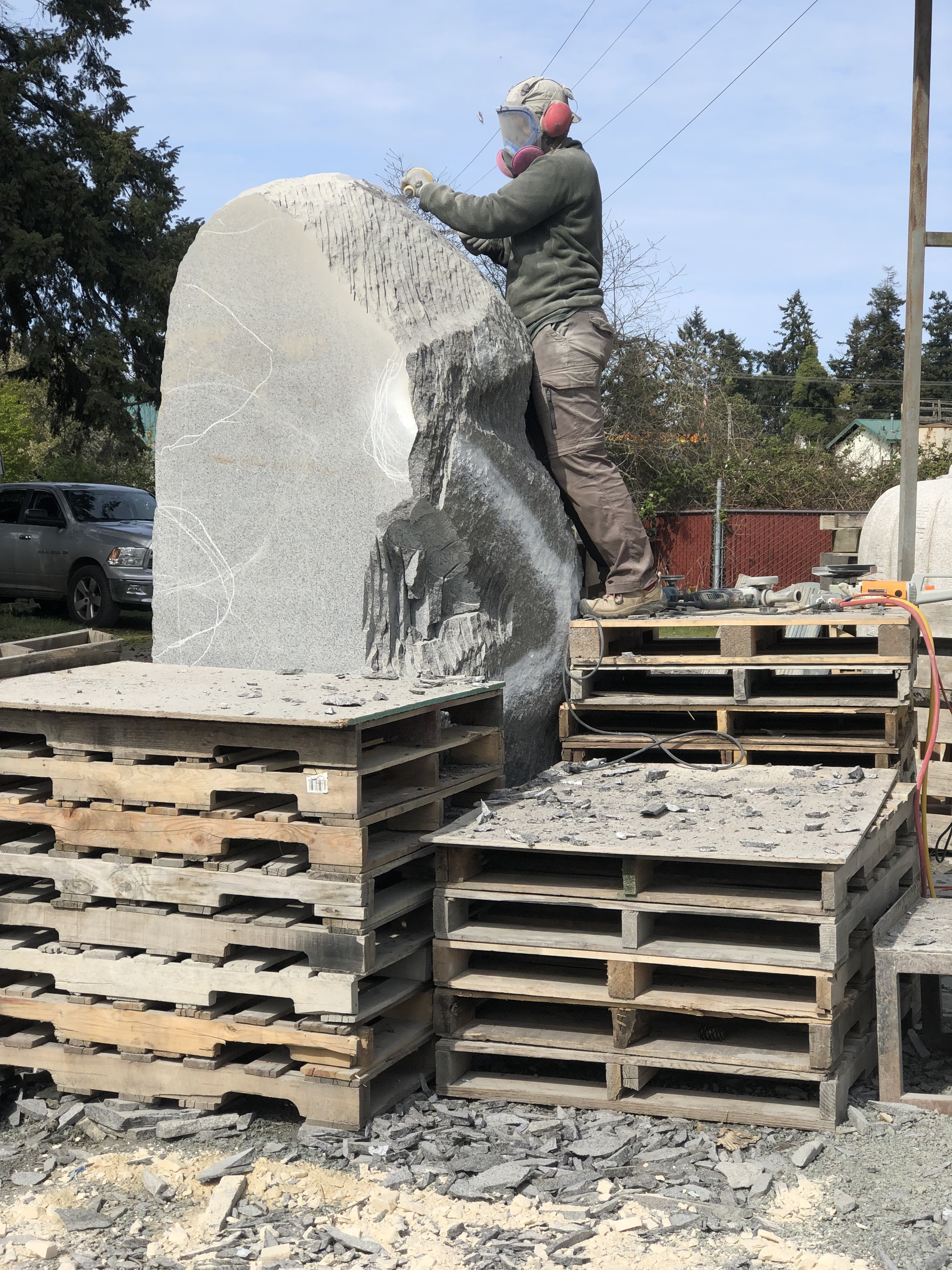
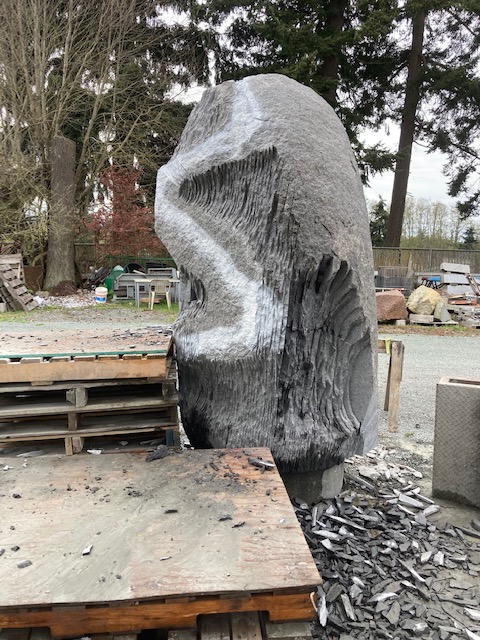
Photos above by Sue Taves, Alexandra Morosco, Lloyd Whannell.

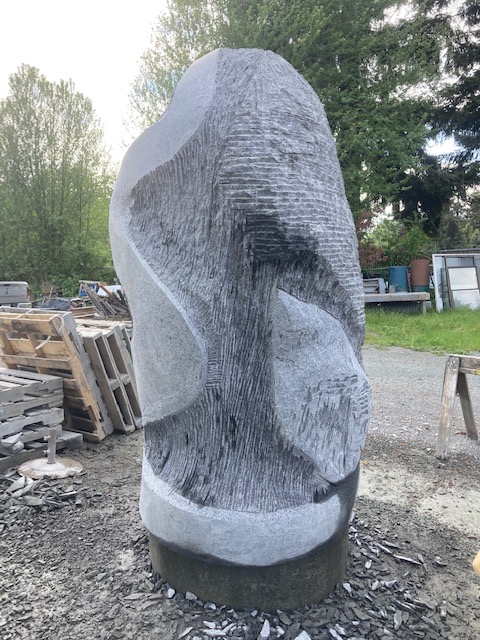
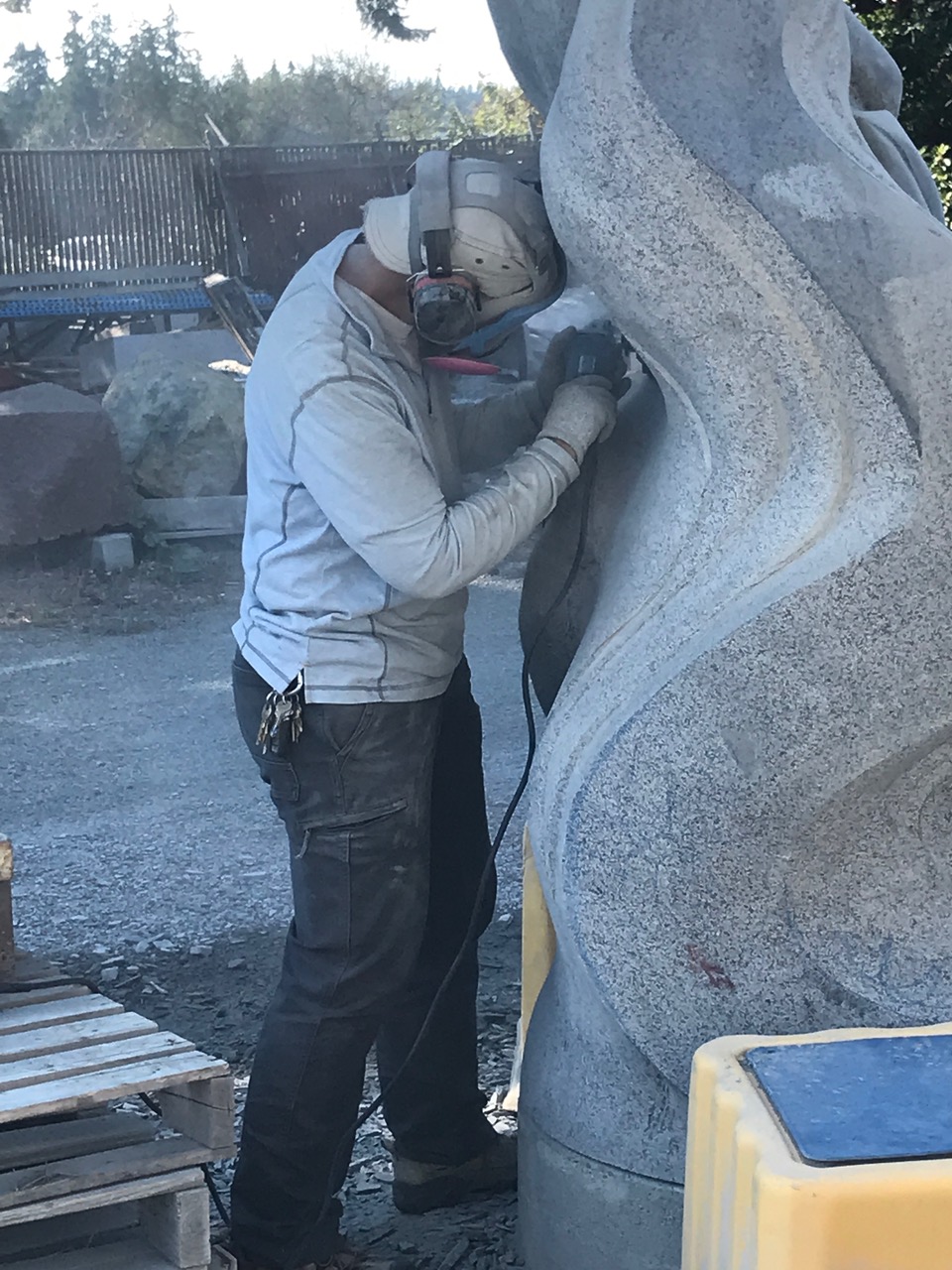

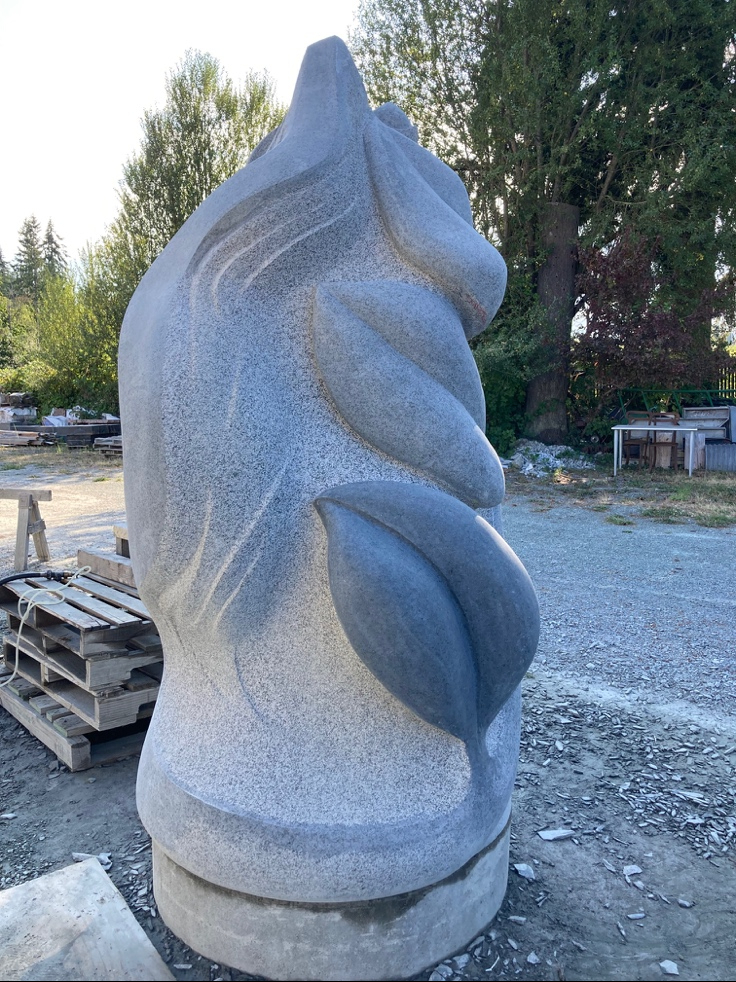
I could write a dozen blog posts detailing all the steps that I’m glossing over here. That would take a lot of time I’d rather spend at the studio so a few sentences and photos will have to do.

Driving the big beast to lift the sculpture onto the back of the transport truck.
Photo above by Justin Haffner

Making the trek from Whidbey Island, WA, to Wilsonville, OR in this truck.
Photos of installation were taken by Benjamin Mefford
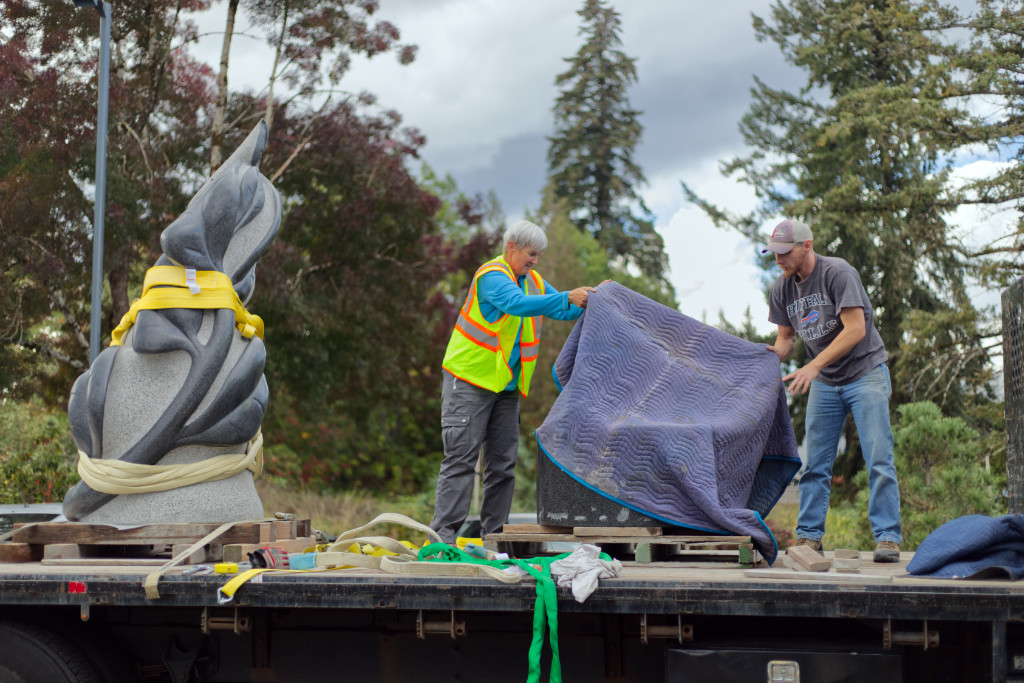
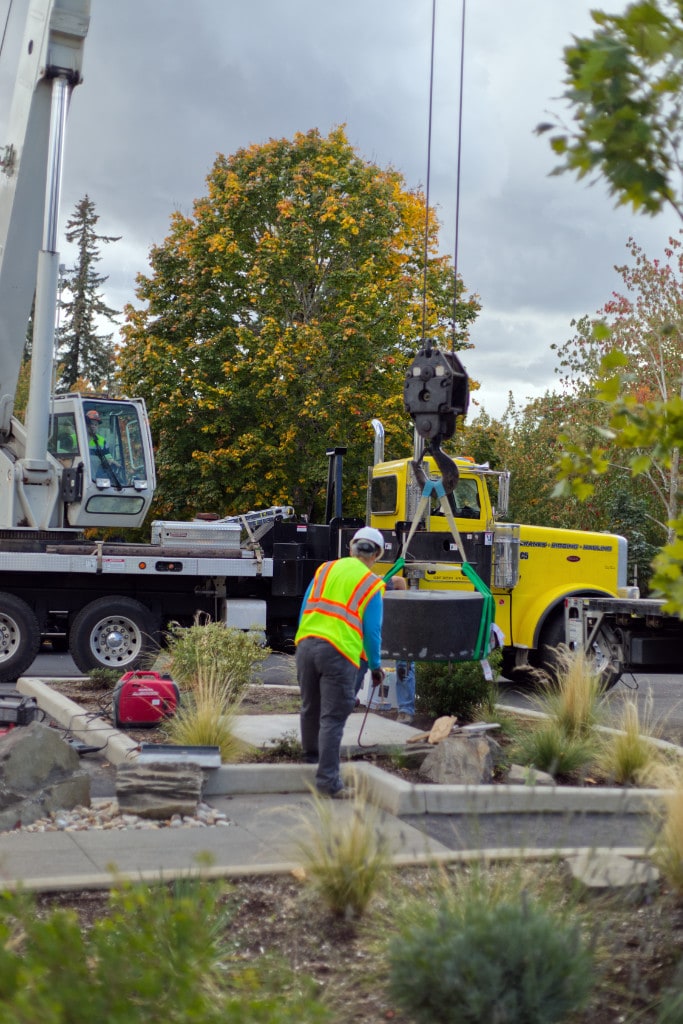
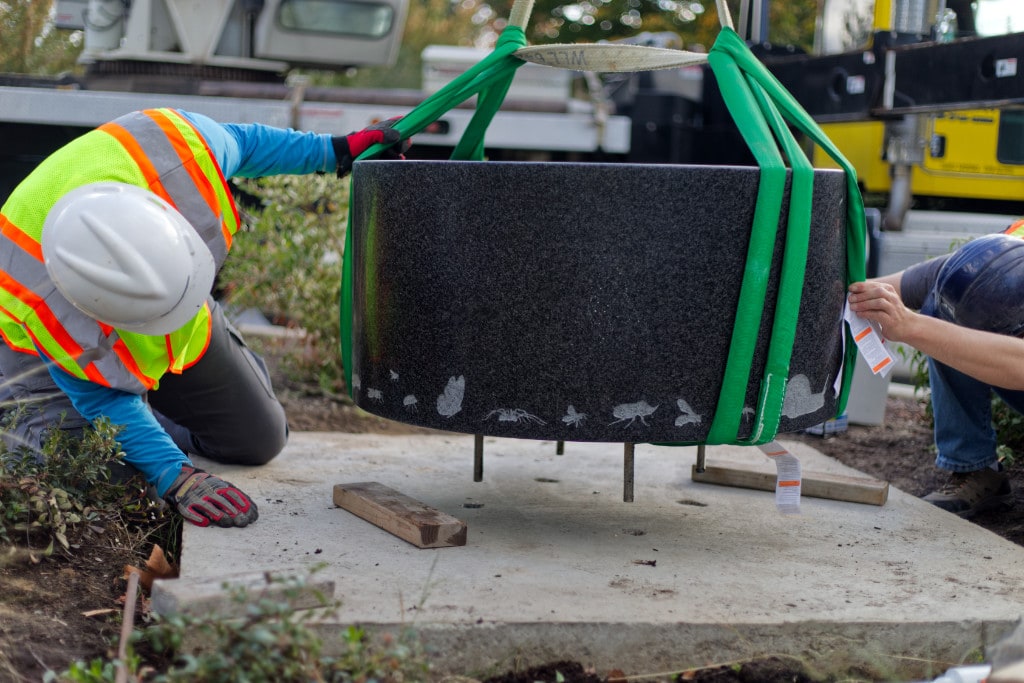

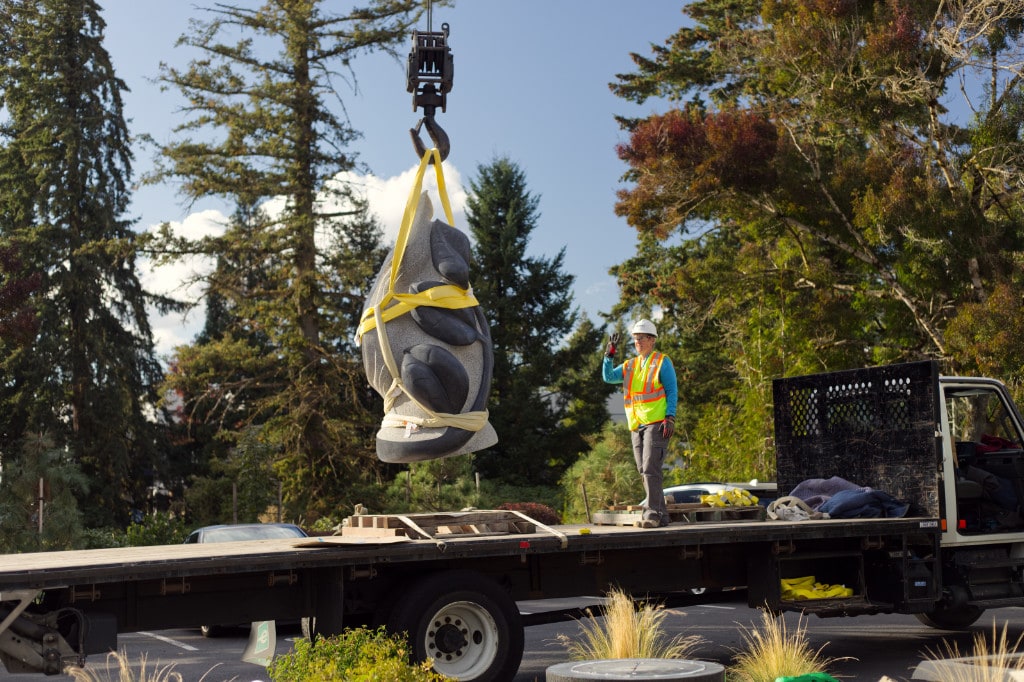
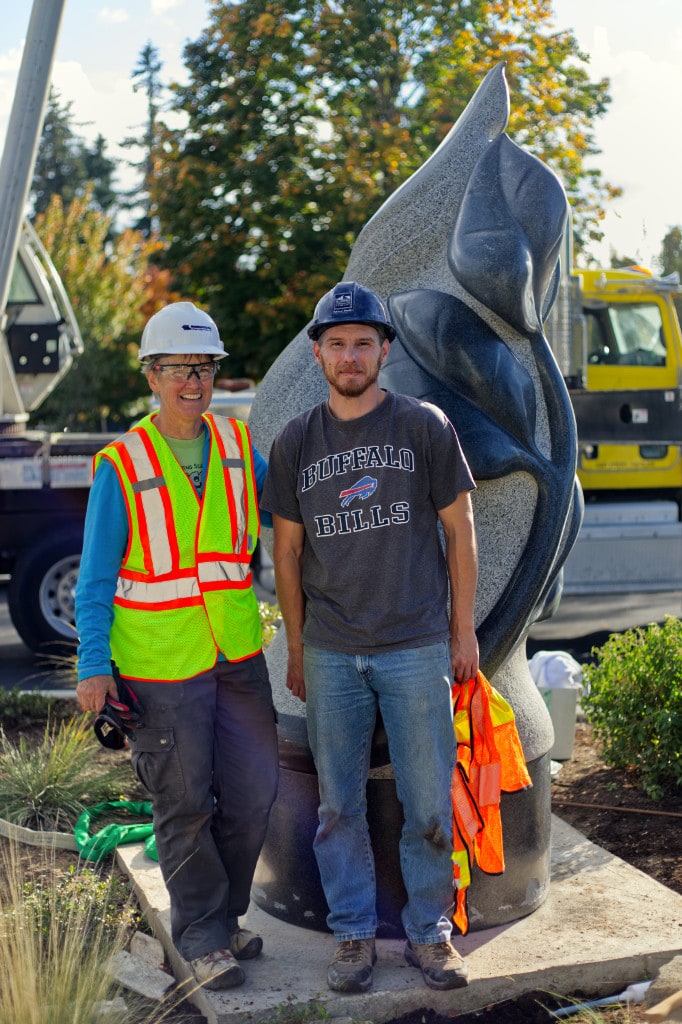
Justin Haffner (above) from the Freeland Art Studios assisted me with the installation, and that was a huge help. It takes a village of people to help a stone sculptor with a project like this and I am full of gratitude to everyone for their help and encouragement!
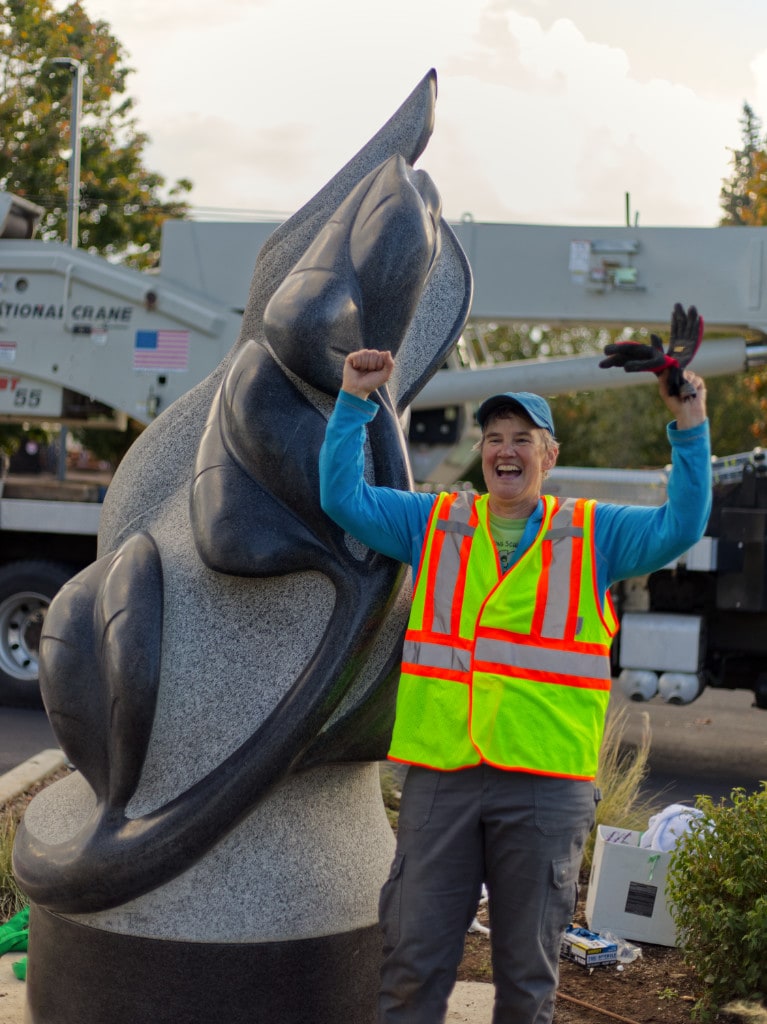
Installation photos above by Benjamin Mefford
Here’s a few photos showing the sculpture all way around. The polished line symbolizing the Willamette River flows down the surface of the stone and gradually turns into the stem of a plant. Leaves emerge as it turns and reaches up and around the stone. Ripples alongside the river symbolize the changing terrain and history of the river. A parade of insects, small but critically important to our ecosystem, make their way around the base.

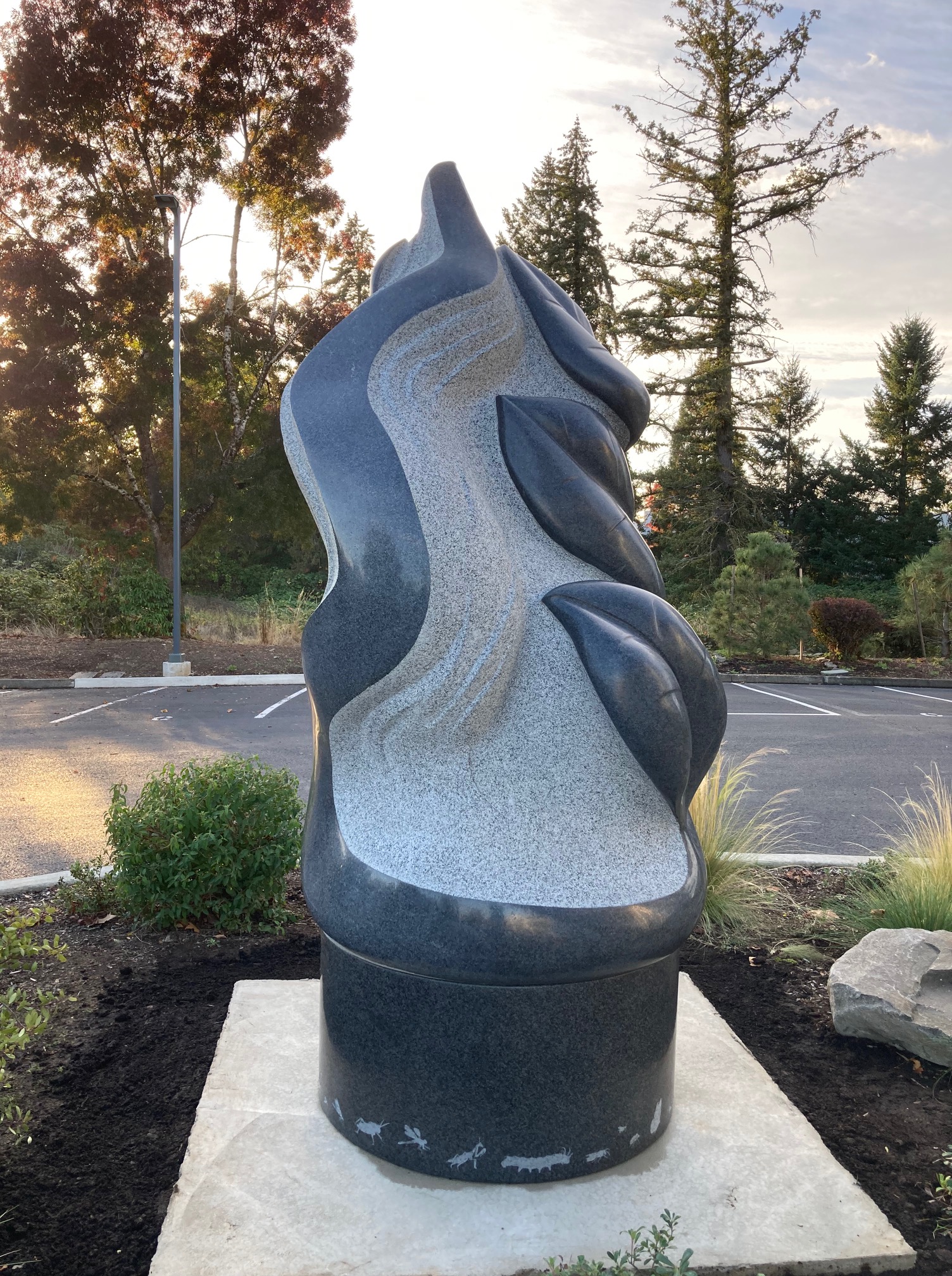

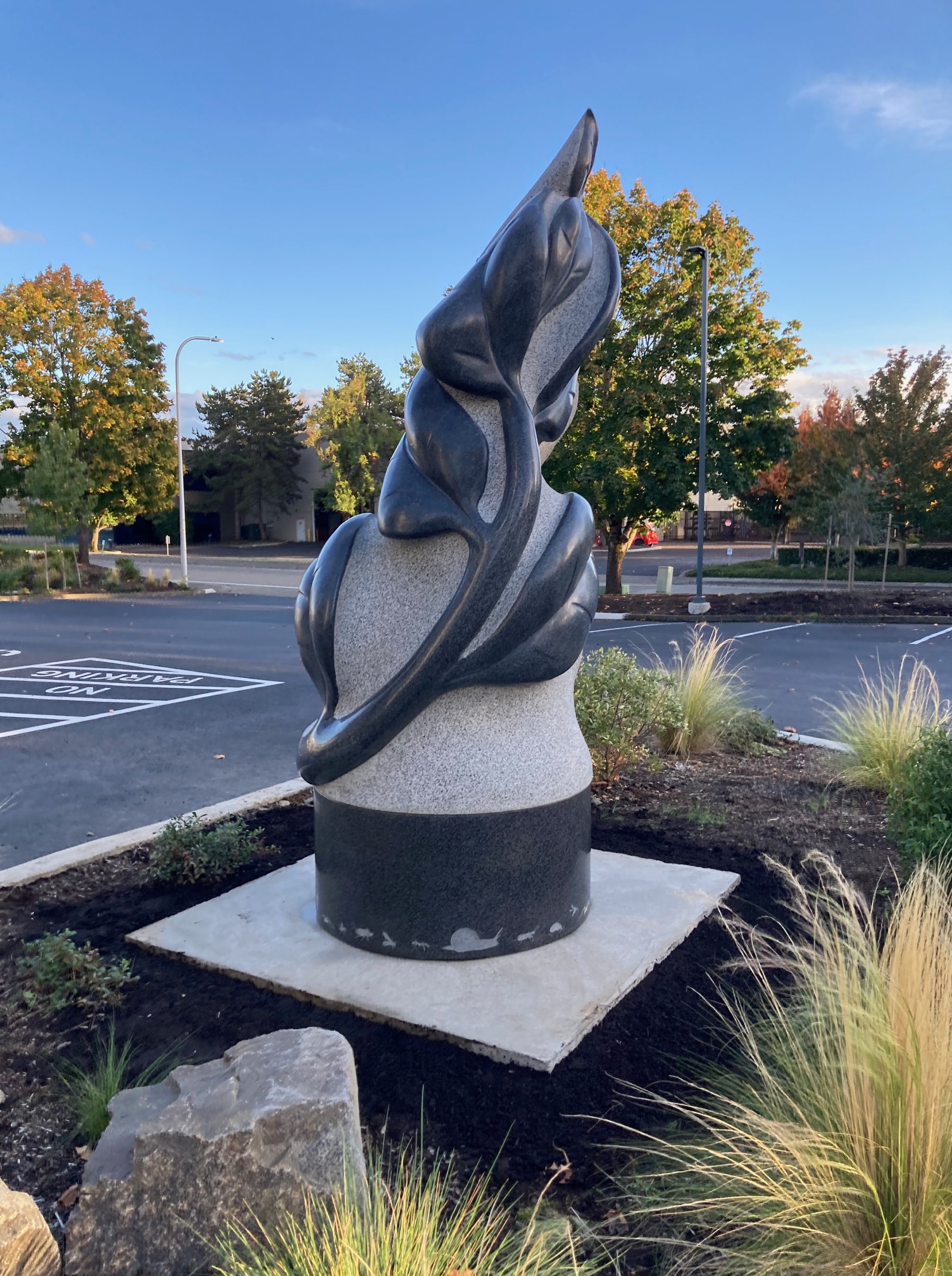
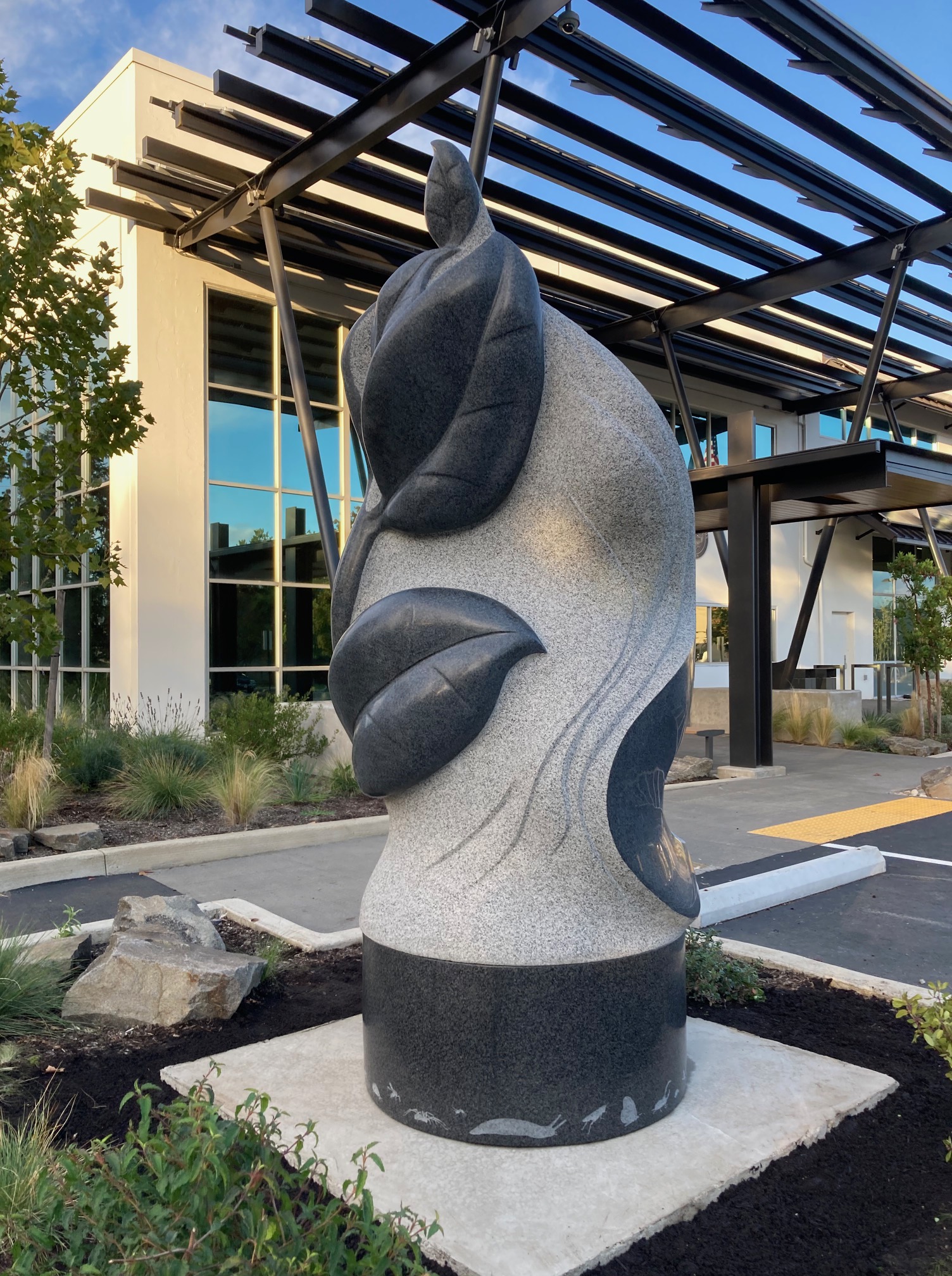
5 photos above by Sue Taves

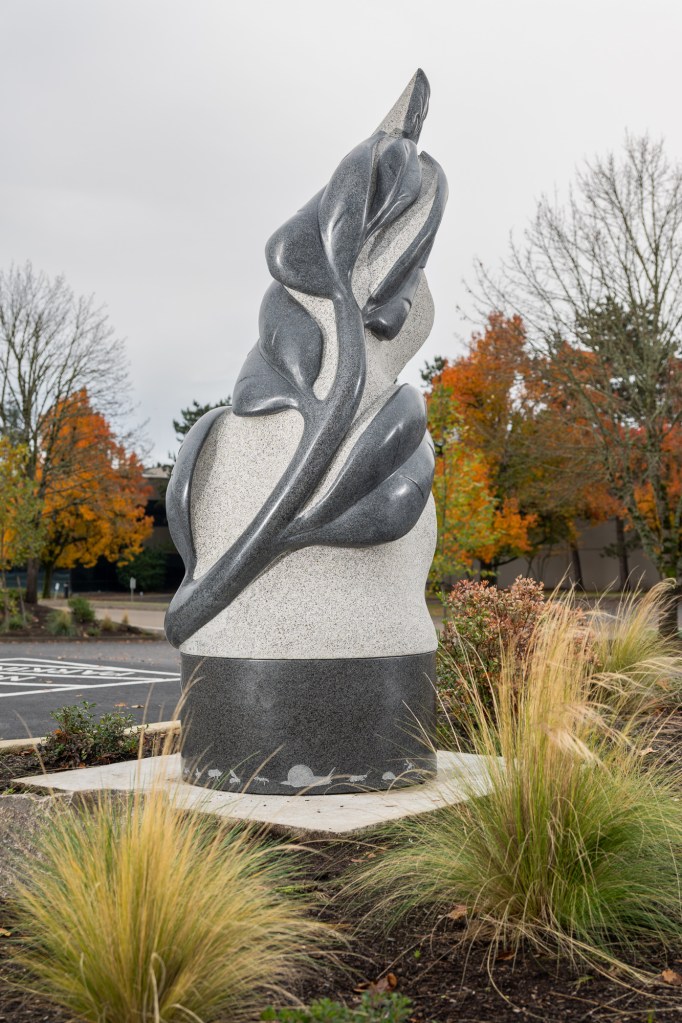
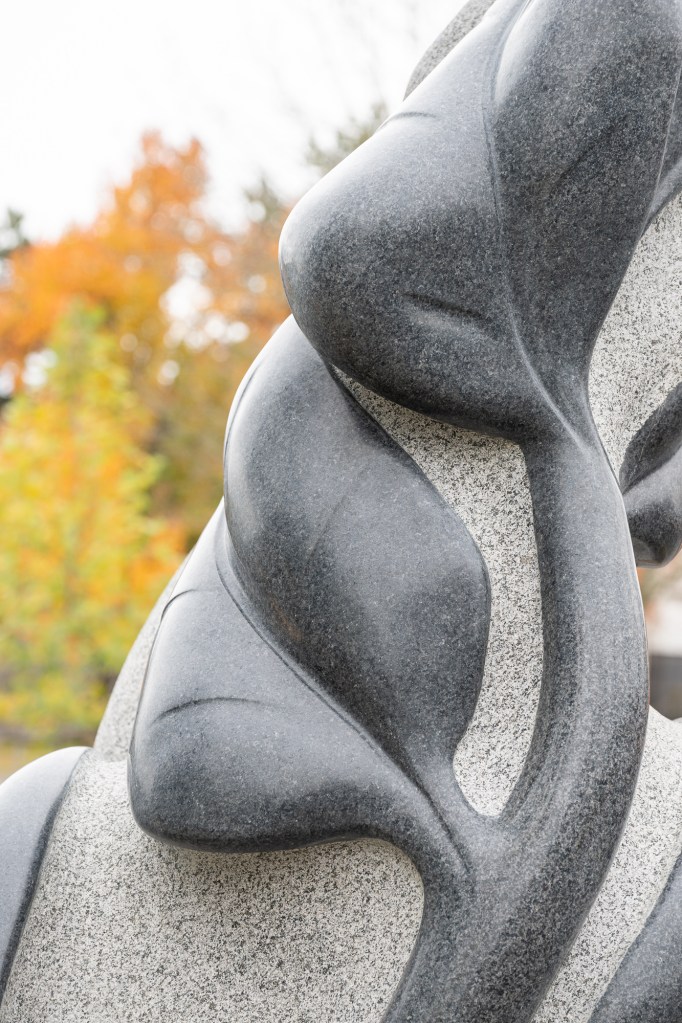
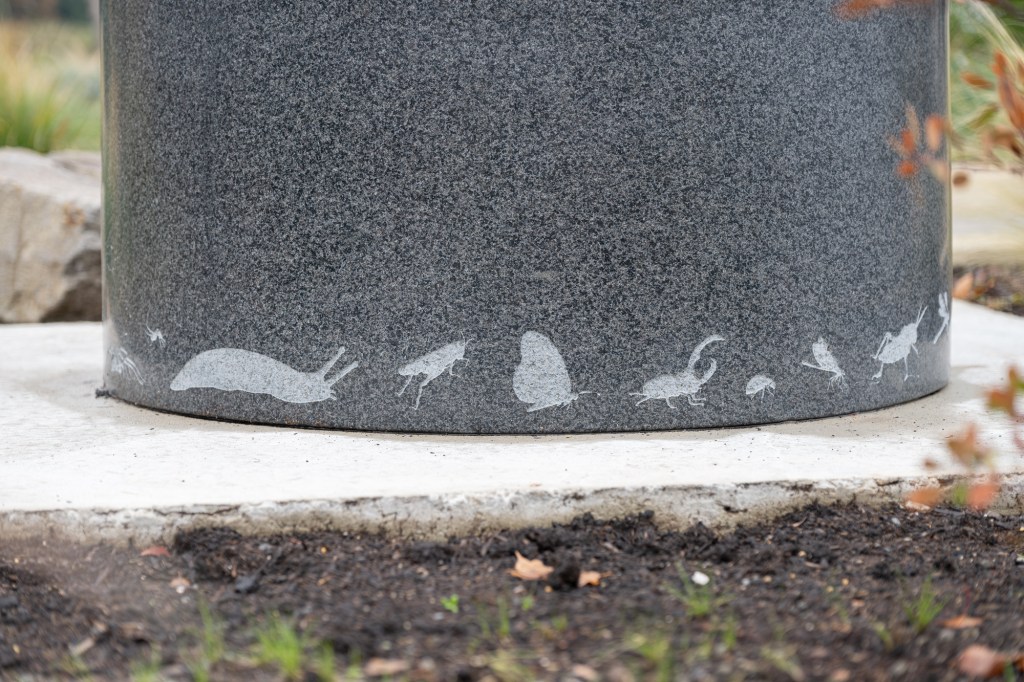
4 photos above by Mario Galucci (https://www.mariogallucciphoto.com/)






























 Sue Taves Sculpture